The Two Words We're Returning to Sender
"Bounce back." Say it out loud and hear what it actually asks: that you rebound, spring, snap into your old shape like nothing happened, and do it fast enough that the world never has to look at the aftermath. It's a phrase borrowed from rubber bands and basketballs — objects that are valued precisely for not changing. And we hand it to women who have just done the most transformative physical and emotional work of their lives, then time them on it.
We are done. Not bitter, not defeated — done. Done pretending the goal of pregnancy was to leave no trace. Done treating a body that built a person as a problem to be reversed. The bounce-back fantasy isn't aspirational. It's an erasure with a cheerful font, and this is the part where we refuse it out loud.
There Was Never a Ball to Bounce
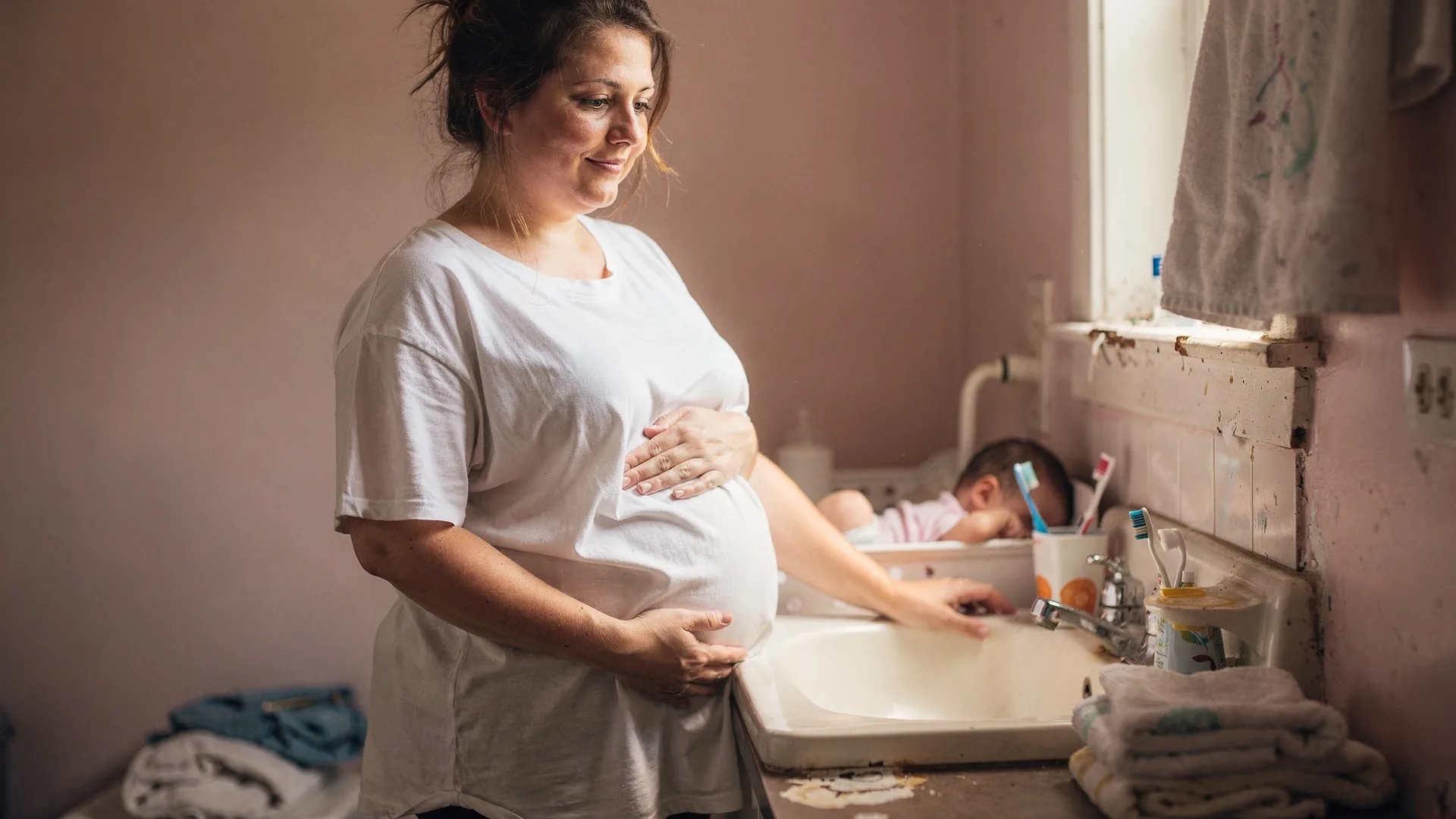
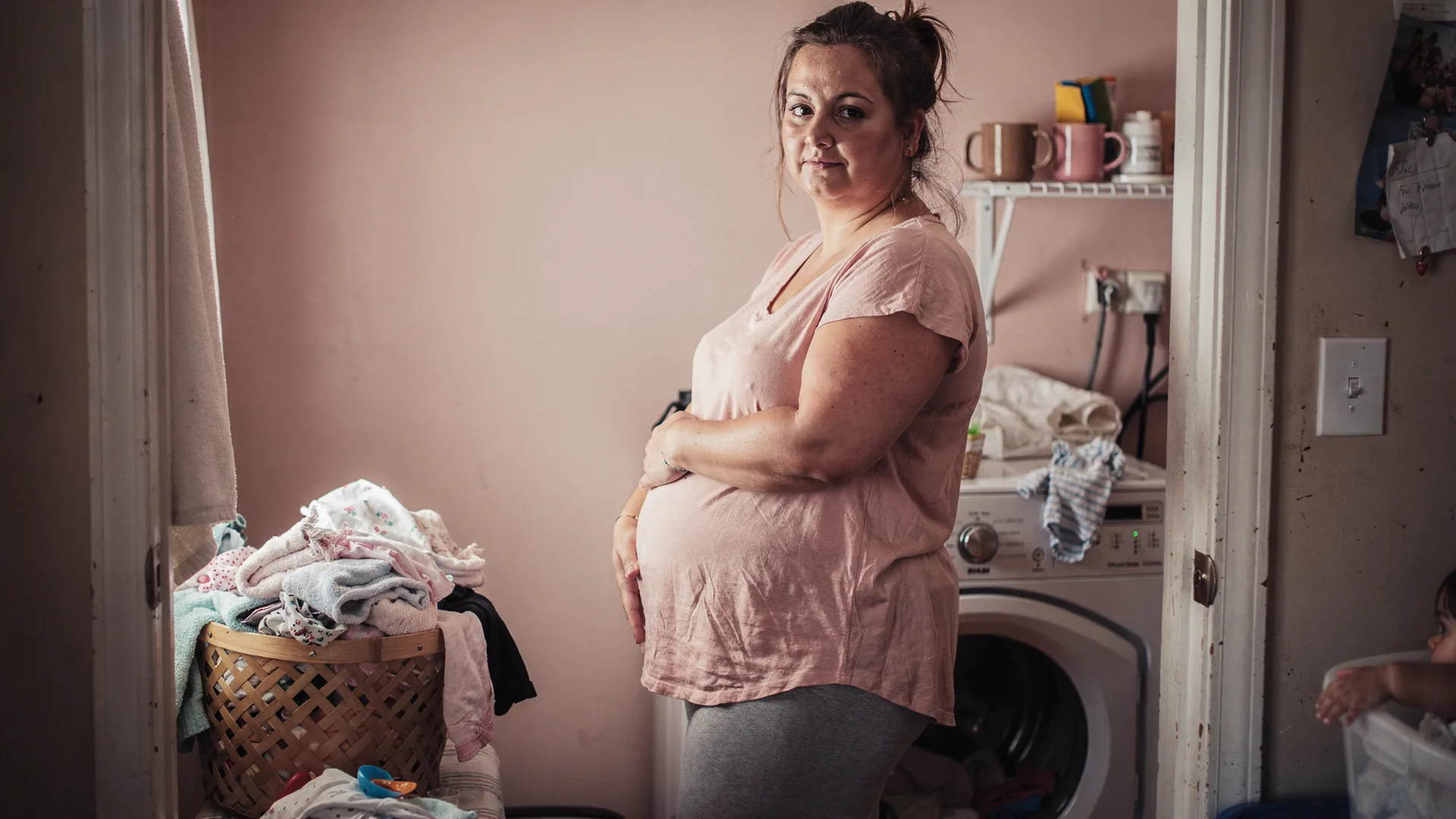
The metaphor fails at the first inch, because you are not elastic and you were never meant to return to a prior form. A body that has grown, birthed, and possibly fed a whole human is not a stretched-out version of its old self waiting to snap back. It's a body that did something and now bears the honest evidence of having done it. That's not damage. That's a record.
So we retire the whole frame. We're not bouncing back — there's nowhere back to bounce to. Your body is not a before photo waiting for its after. It's a current, living thing, in the only tense that matters, which is now.
Notice, too, what the word demands of your time. To bounce implies speed — an instant snap, no lag, no visible in-between. Applied to a human recovery, that becomes a deadline: be unmarked by the six-week appointment, be photographable by the christening, be back in the old jeans before anyone comments. Real bodies don't run on that clock, and the pressure to pretend they do is how a normal, gradual, non-linear recovery gets reframed as a failure to hurry.
We are not bouncing back. We are coming forward with receipts.
Who Profits From the Fantasy
Follow the money for a second, because the bounce-back myth is not a natural feeling that arose in you — it was installed, and someone got paid. There is an enormous industry built on the exact moment a new mother feels most vulnerable about her body, and its entire business model depends on you believing you are currently unacceptable and one purchase away from fixed. Your dissatisfaction is the product. Your peace would bankrupt them.
Once you see it, the celebrity six-weeks-postpartum reveal reads differently. That's not a woman's natural body. That's a full-time job with a staff, sold to you as a personal standard you're failing to meet on no sleep and no help. The comparison was rigged before you ever opened the app.
The scale is the industry's favorite instrument, because a number is easy to sell against. It reduces a whole recovering human to a single figure that can go the "wrong" way and make you feel like you're losing. But your worth was never a readout, and there are seasons when the healthiest thing you can do is stop letting one talk to you at all — a stance worth taking the moment the scale starts getting louder than your actual life.
Softness Is Not the Enemy
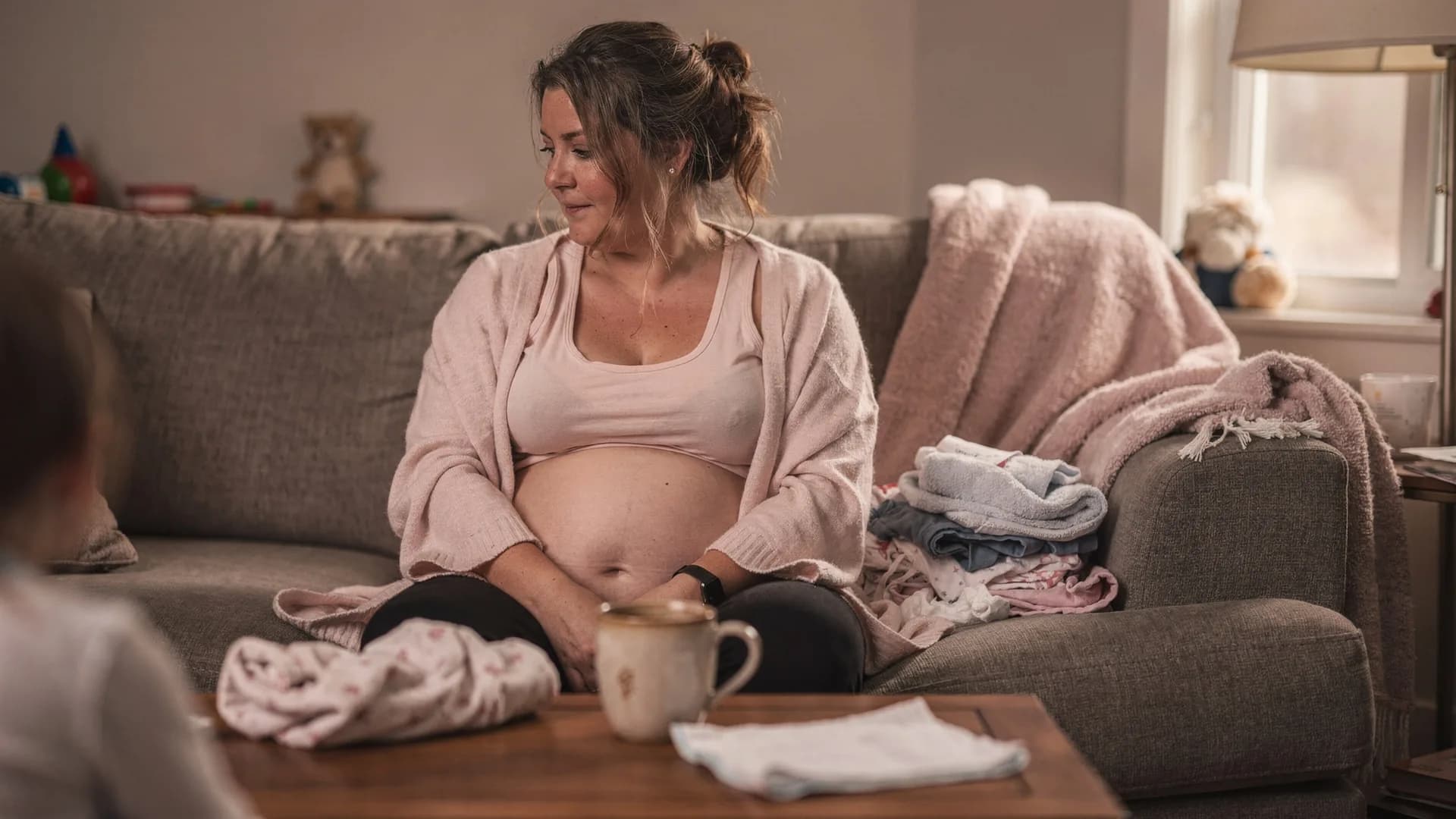
The manifesto isn't anti-body or anti-strength or anti-feeling good. It's against the specific lie that the softer, rounder, marked body you may be living in now is a failure state — a waiting room you have to earn your way out of before you're allowed to feel like yourself. That belly, that give, that new texture is not a moral shortfall. Softness is not failure, and treating it like one is the whole con.
We can want to feel strong. We can want to move, to feel good in clothes, to like the mirror. None of that requires the frame of undoing. You get to pursue feeling well without agreeing that your current body is a mistake to be corrected.
Forward, With Receipts
So here's the creed, plainly. We are not going back. We are going forward, carrying the evidence of what we did and refusing to be ashamed of it. Bounce-back is a demand to disappear beautifully; we decline. We'd rather show up honestly, marks and all, as the receipts of a real event.
You built a person. Your body kept the record. Stop apologizing to a metaphor that was never about you in the first place, and start living in the only body you'll ever actually have — the one that's here. Not the one from the before photo, not the one on the reveal reel, not the one the tea is promising. This one, now, doing the actual work of your actual life.