The Woman Behind the Baby
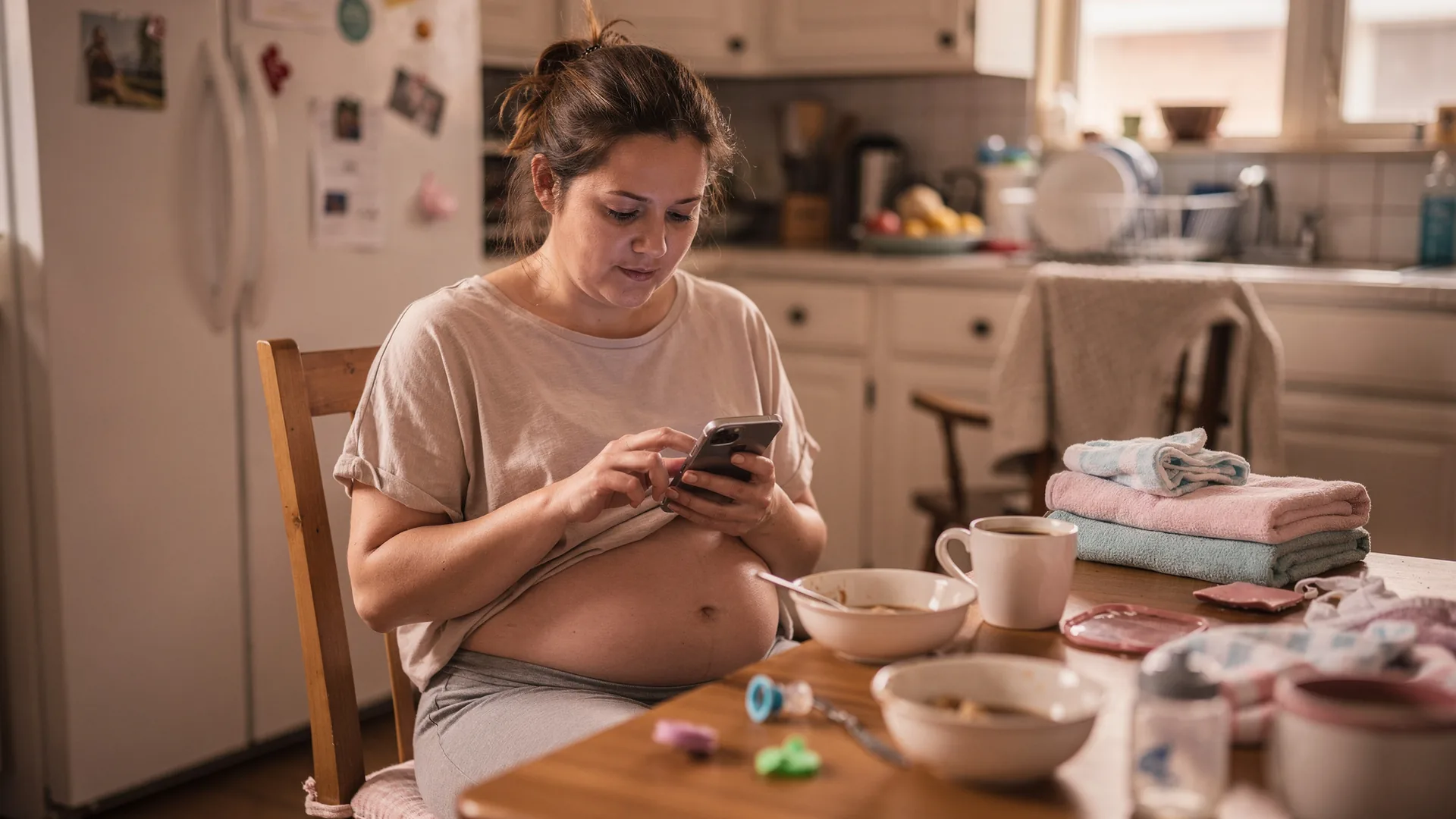
Watch a relative come through the door in the first weeks. Their eyes travel past you — a warm, distracted skim, the kind you'd give a coat rack — and land on the baby. They ask how she's sleeping, how she's eating, how big she's gotten. Somebody remembers, eventually, to ask how you are, and the question arrives with a hand already reaching for the car seat, so you say "good, tired," because that's the size of the answer the room has made space for.
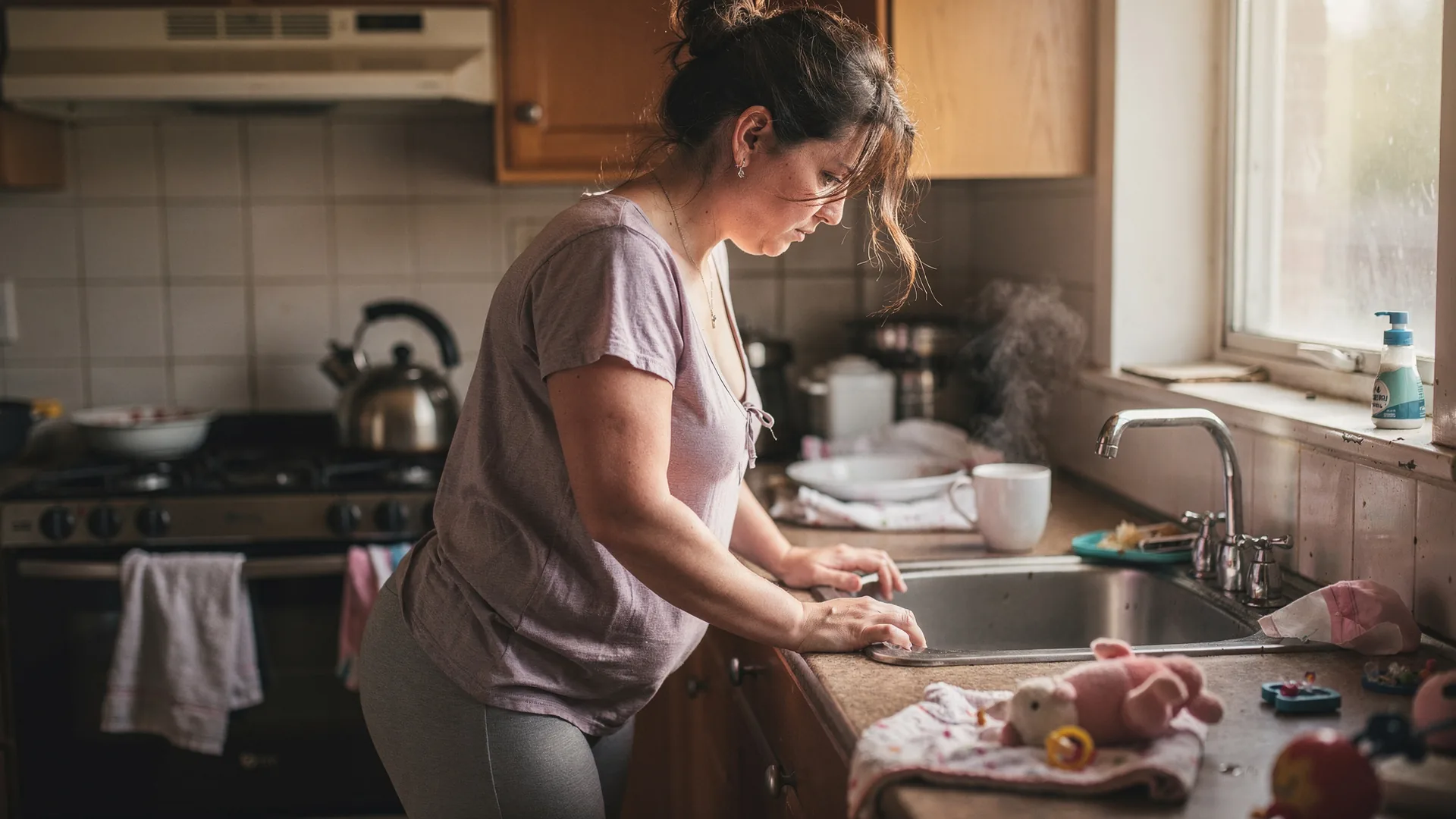
It's not cruelty. People are drawn to new life the way they're drawn to a fire in winter. But something accumulates in all that gentle skimming-past. Feed by feed, visit by visit, you stop being the headline and become the infrastructure — the plumbing that keeps the important thing running. Essential. Invisible. Nobody photographs the pipes.
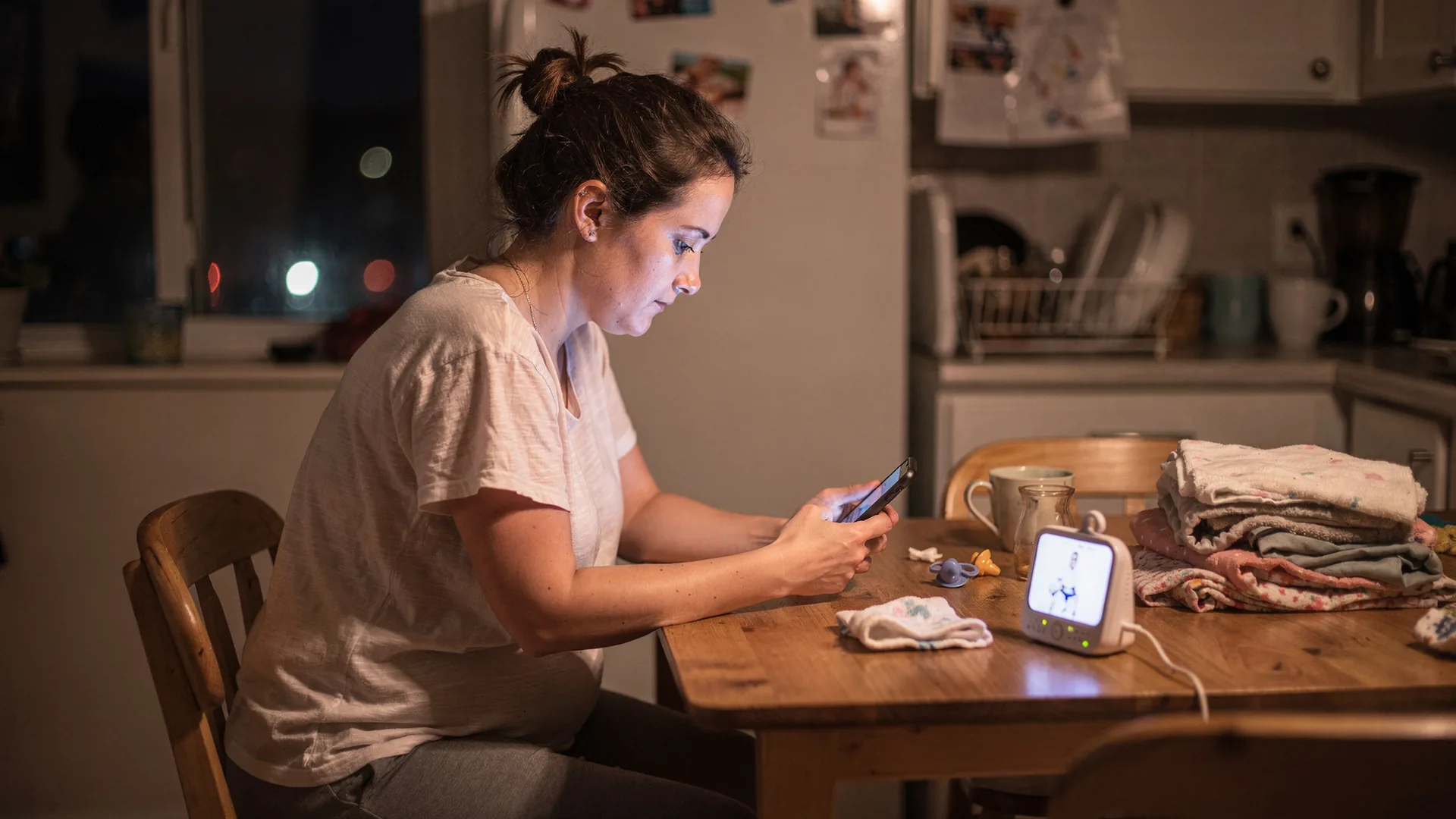
The loneliness of it is specific and hard to explain, because on paper you are never alone. You are touched constantly. You are needed all day. And still there's a hollow spot that all that need doesn't fill, because being needed and being seen turn out to be two different meals.
Needed Is Not the Same as Seen
A baby needs you the way a plant needs sun — totally, urgently, and without any curiosity about your inner life. That need is real and it matters, but it can't reflect you back to yourself. Your baby doesn't know you have a sense of humor. She doesn't know you used to be the funny one at work, or that you're privately terrified you're doing this wrong. To her you are function: warmth, food, safety. A verb, not a person.
So when the adults in your life also start treating you as function — as the milk supply, the schedule-keeper, the one who knows where the diapers are — the effect compounds. You can go whole days being addressed only in the imperative. Can you grab. Did you pack. Is she due for. By evening you're not sure anyone has spoken to the you that exists underneath the logistics.
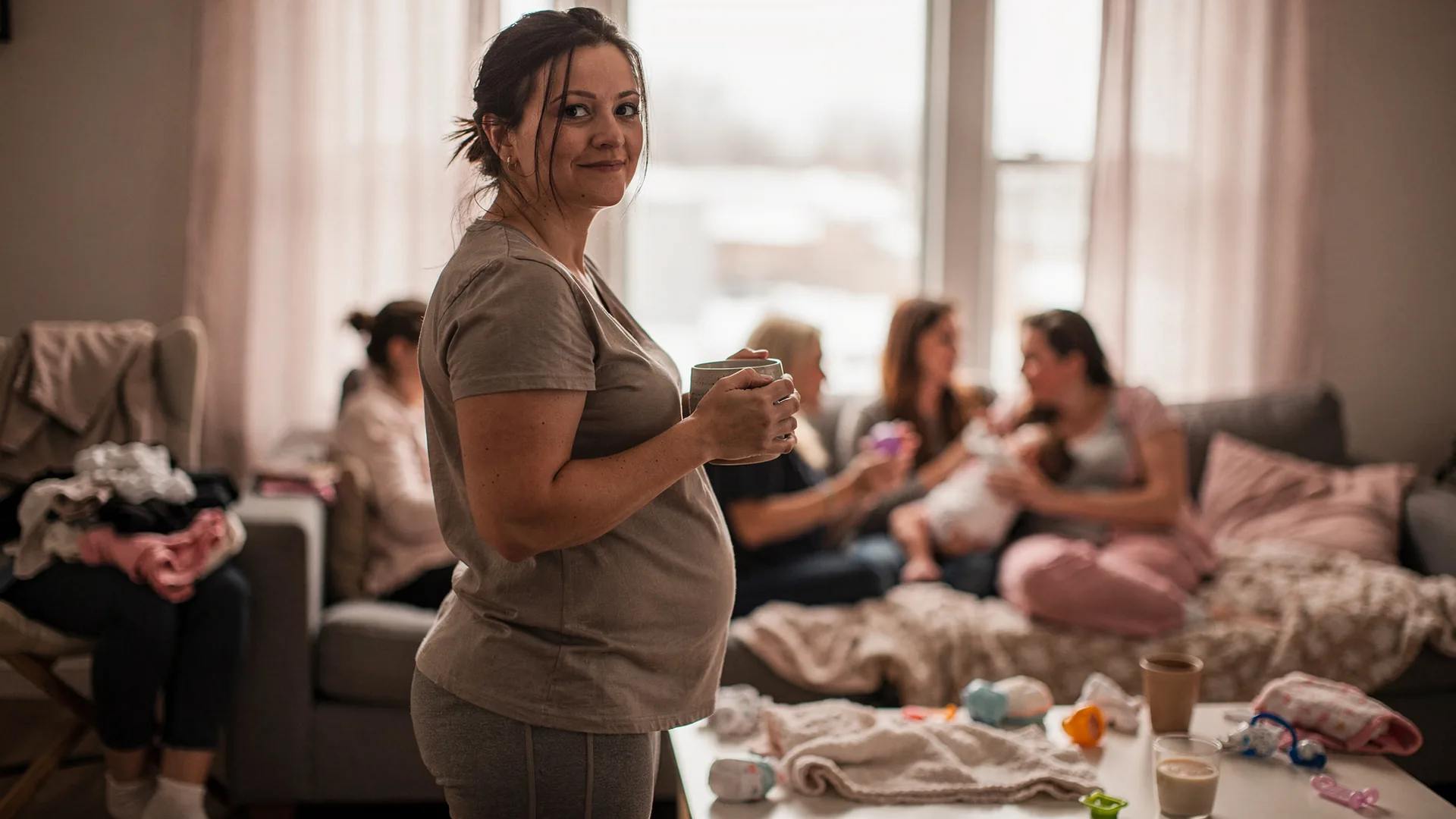
This is the cost the announcements never mention. The village, when it shows up, tends to show up for the baby. Which is lovely for the baby and quietly starving for the mother standing three feet to the left.
Being needed all day is not the same as being seen.
Why You Don't Say Anything
The trap is that the whole feeling sounds petty the moment you try to voice it. Complaining that people love your baby? Wanting attention when there's a newborn in the room? It feels monstrous, so you file it under things I'm not allowed to want and carry on being infrastructure. Silence starts to look like maturity.
But swallowed loneliness doesn't dissolve. It curdles. It becomes the flat voice, the withdrawal, sometimes the flash of temper that seems to come from nowhere — because unmet needs don't disappear, they just find louder exits. There's a reason anger so often turns out to be a smoke alarm for a life that isn't holding you up.
Asking to Be Seen on Purpose
Being seen again usually doesn't happen by accident, because the room has organized itself around the baby and won't spontaneously reorganize around you. You often have to ask for it directly, which feels awkward the first few times and then feels like oxygen. "Ask me about something that isn't her." "Tell me a thing that happened in the world today." "Sit with me for ten minutes and don't hold the baby."
It also helps to build the asking in before you're desperate, rather than after — the difference between a request and a distress flare. That's its own skill, and it's worth practicing how to reach for help before you've already hit the wall, because a woman in freefall rarely gets the calm, specific support she actually needs.
And find the people who ask how you are and then stay for the answer. One friend who texts "but how are YOU" and means it can undo an entire week of being addressed in the imperative.
You Were Never Only the Setting
You are allowed to want the camera to swing back toward you sometimes. Not instead of your baby — alongside her. Wanting to be a person, not a piece of equipment, is not vanity. It's the most basic form of staying alive on the inside.
The background of a photograph is still made of something real, something the eye slides over precisely because it's always there. There's a whole woman standing back there — funny, frightened, specific, missing herself in ways she's still learning she's allowed to name. She deserves to be looked at directly. Start by looking at her yourself.