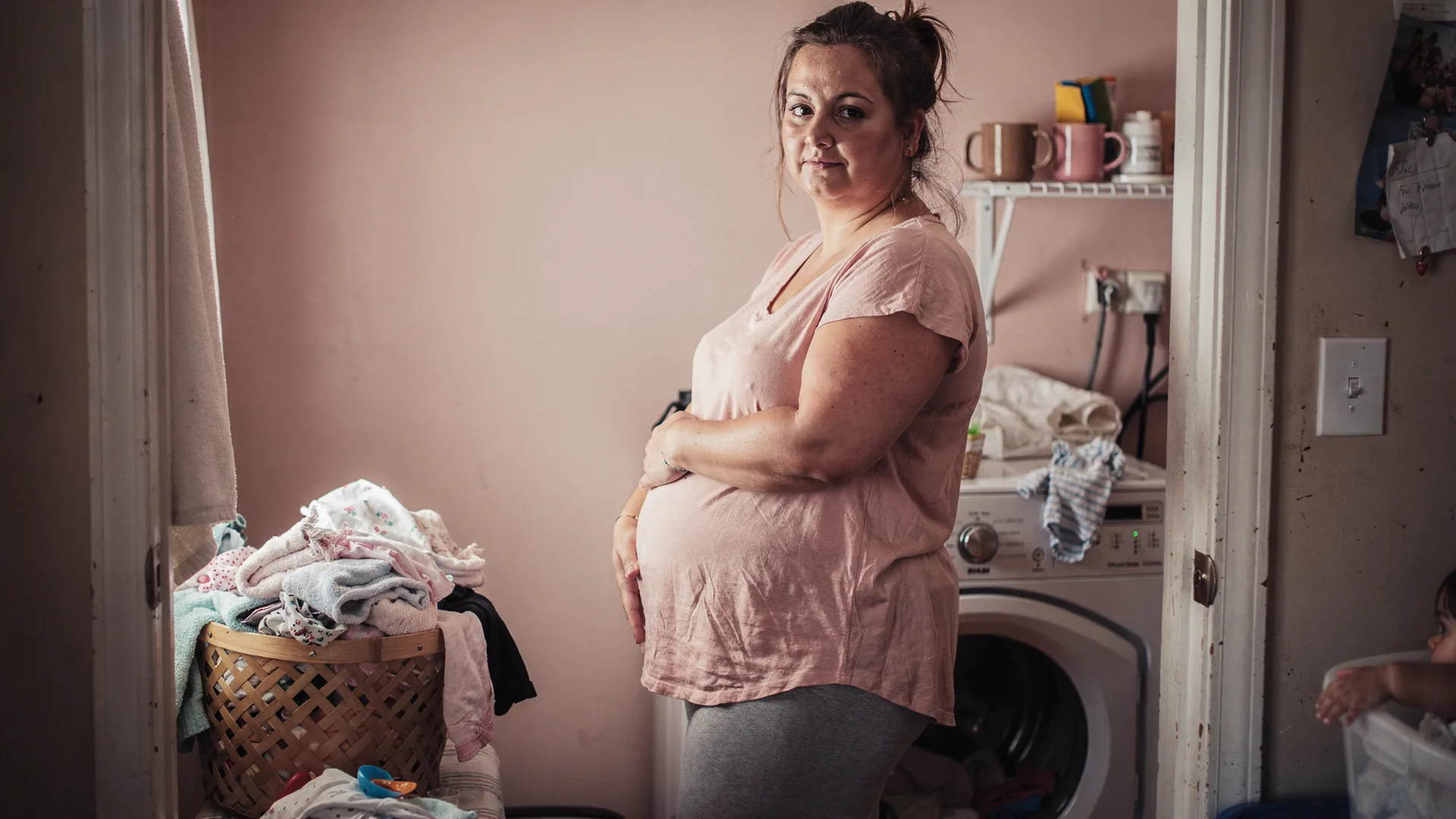
Why Does Rest Feel Like Something You Have to Confess?
Why does it come out as an apology? "Sorry, I just really need twenty minutes." "Sorry, would you mind — I have to lie down." You hear the reflexive sorry attached to the front of every request for rest, as if wanting to stop for a moment were a small crime you're pleading guilty to. Nobody makes you apologize for needing to eat. But rest? Rest you have to justify, minimize, and say sorry for, as though your body's need for it were a character flaw you're trying to sneak past everyone.
Somewhere along the way you absorbed the idea that a break has to be earned through visible suffering — that you're only allowed to stop once you've proven, by nearly collapsing, that you truly had no choice. Rest, in this logic, becomes legitimate only after you've broken. That's a brutal contract, and you signed it without reading it.
A Break Is Not Abandonment
Underneath the apology is usually a quiet, ugly fear: that stepping away, even for twenty minutes, is a form of abandonment. That a good mother is continuously available, and any gap is a small betrayal of her child. So you push through the exhaustion to prove your devotion, and the pushing-through becomes its own evidence that you love them enough.
But a break is not abandonment. It's maintenance — the thing that keeps the person doing the loving from running the tank to zero. A baby handed to a rested parent for the next stretch is not being abandoned; they're being cared for by someone who can actually be present. The math that says your absence for a nap harms your child, but your slow depletion helps them, is a math that doesn't add up.
Rest does not become legitimate only after you collapse.
The Cost of Waiting for the Wall
Here's what actually happens when you only rest after collapse: you're never resting from a decent baseline, you're always resuscitating from a crisis. You wait until you're snapping at everyone, until the tears come over nothing, until your body forces the issue with a migraine or an illness. Then you rest in a heap, feel guilty about it, and start the cycle again. That's not rest. That's a series of controlled breakdowns.
The alternative is to rest before the wall, on purpose, while you can still choose the terms — which means learning to reach out early rather than in freefall. It's the difference this magazine keeps drawing between asking for help before you hit the wall and asking from underneath it. A break taken at 40 percent capacity restores you. A break taken at zero just barely keeps you alive.
The Sorry Is a Tell
Pay attention to the apology itself, because it's telling you something. When you say sorry for needing rest, you're conceding, in advance, that your need is an imposition — that your own limits are less real than everyone else's comfort. Drop the sorry and the sentence changes character entirely. "I need twenty minutes" is a fact. "Sorry, I just need twenty minutes if that's okay" is a plea. You are allowed to state a fact.
This is quietly connected to anger, too. The rest you keep apologizing for and never quite taking has a way of coming out later as fury over something small, because the anger is often just the smoke alarm for an unsupported life. Take the rest earlier and you defuse the thing that would otherwise explode over the dishes.
Watch, also, who the apology is aimed at. Often there's no one actually demanding it. Your partner would happily take the baby. The break is available. The only person requiring the sorry is the internalized supervisor in your head who learned somewhere that a good mother is one who never stops, never wants, never asks. That voice is not the truth. It's a bad rule you can decline to follow, one un-apologized break at a time.
Human Maintenance, Not Weakness
You are not a machine that runs cleaner the longer it goes without stopping. You're a person, and people require pauses — food, sleep, a few unclaimed minutes — not as rewards for hardship endured, but as the basic conditions of continuing to function. Resting is not the thing you do when you've failed to be tough enough. It's the thing that makes the toughness possible in the first place.
So take the break, and take it without the apology stapled to the front. Not after you collapse. Before. Your rest was never contingent on your ruin, and the sooner you stop treating it that way, the longer you'll actually last. The children of rested mothers are not deprived children. They're just kids whose mother figured out, earlier than most, that she was a person too — and that a person who stops sometimes is a person who gets to keep going.